
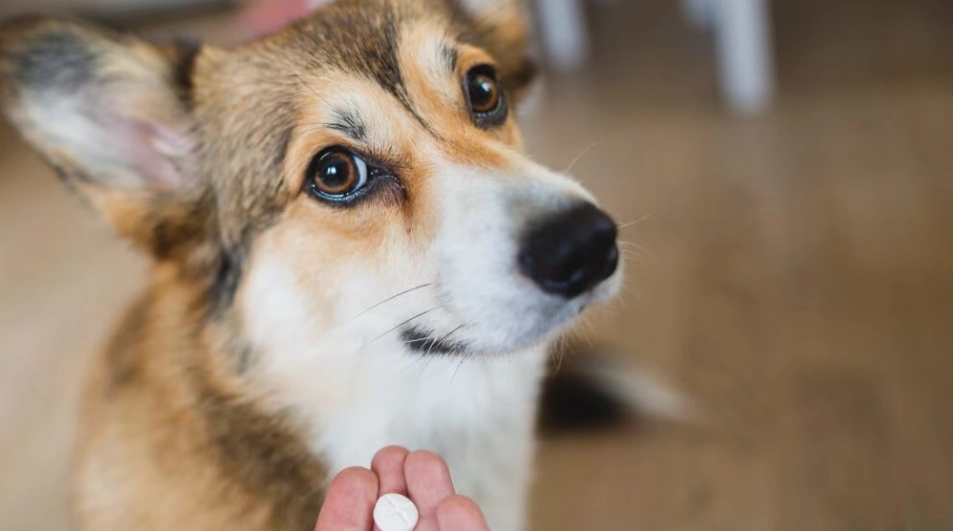
Glucosamine for dogs is a natural substance that helps keep joints healthy. You give glucosamine to help your dog’s cartilage and make stiff joints feel better. This supplement can give small anti-inflammatory effects, which may help with pain. Many vets suggest glucosamine and chondroitin for dogs with osteoarthritis or dogs who cannot use other medicine. You might see the best results if you give these supplements for at least two months to help your dog move and feel better.
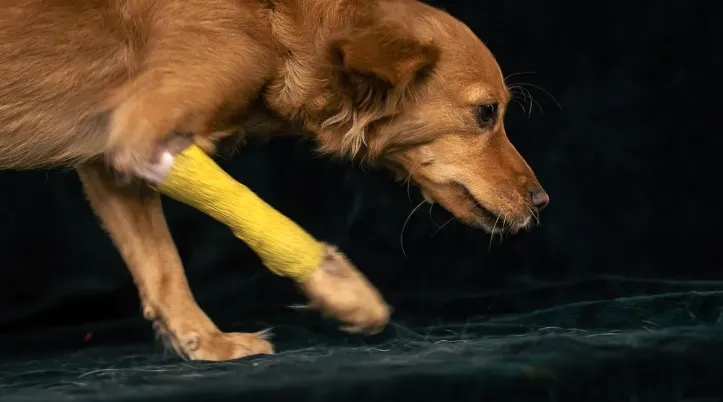
Key Takeaways
- Glucosamine keeps your dog's joints healthy. It also helps lower pain. There are different types of glucosamine.
- Glucosamine hydrochloride works best for dogs. Chicken feet and bone broth have glucosamine.
- Glucosamine helps fix cartilage and lowers joint swelling.
- Give glucosamine early to breeds with joint problems.
What Is Glucosamine for Dogs?
Types of Glucosamine
Glucosamine chondroitin for dogs comes in different types. The main kinds are glucosamine sulfate and glucosamine hydrochloride. Both help your dog’s joints, but they are not the same. Glucosamine hydrochloride is used most often for dogs. It goes into their bodies better and works more reliably. Glucosamine sulfate is found more in human supplements. Dogs do not absorb it as well as people do.
When you shop for glucosamine, you will see many forms. Each form has its own benefits for your dog. Here is a table to compare the most common choices:
| Feature | Soft Chew | Tablet | Powder | Liquid |
| Glucosamine per Serving | 400–500 mg | 500–750 mg | 500–1,000 mg | 500–750 mg |
| Chondroitin per Serving | 200–300 mg | 200–300 mg | 0–200 mg | 200 mg |
| Omega-3 per Serving | 0–100 mg | 0 mg | 0 mg | 200–300 mg |
| Palatability | High | Medium | Low–Medium | Low–Medium |
| Price per 500 mg | $$ | $ | $ | $$ |
| Ease of Use | Very Easy | Moderate | Moderate | Moderate |
Tip: Soft chews taste good to most dogs. They make giving the supplement easier for you.
Natural Sources and Supplements
Some foods have glucosamine in them. These foods help your dog’s joints and give them new flavors. Here are some safe choices:
- Chicken feet: Each foot has about 450 milligrams of glucosamine. Dogs like the crunch.
- Beef trachea: This treat has lots of cartilage. It gives glucosamine and chondroitin.
- Bone broth: Bones and tissue are cooked to make broth. The broth has compounds that help joints.
- Green lipped mussels: These shellfish have glucosamine, chondroitin, and omega-3.
Most people use canine glucosamine supplements for their dogs. Supplements give the same dose every time. They make it simple to help your dog’s joints each day.
How Glucosamine for Dogs Works
Joint Health and Cartilage Support
You want your dog to move and play. Glucosamine chondroitin for dogs helps joints work better. It gives your dog’s body what it needs to fix cartilage. Cartilage is a soft layer between bones. It stops bones from rubbing together. Healthy cartilage means less pain for your dog.
Here is how glucosamine helps your dog’s joints:
- Glucosamine helps fix cartilage. It helps your dog make proteoglycans and glycosaminoglycans. These keep cartilage strong and bendy.
- It makes synovial fluid better. This fluid is like oil for joints. It helps joints move smoothly and stops them from rubbing.
- Glucosamine helps make hyaluronic acid. This keeps joints slippery and comfy.
It helps chondrocytes work. These cells build new cartilage and help with shock. - Glucosamine slows down enzymes that break cartilage. This keeps your dog’s joints safe.
Older dogs make less glucosamine. This can cause joint pain and stiffness. Giving glucosamine helps fill in what is missing. This can help your dog feel better and move more.
Note: About 20% of dogs over one year old and 80% of dogs over seven years old have some joint pain. Giving joint support early can stop problems before they start.
Anti-Inflammatory Effects
Glucosamine does more than build cartilage. It also helps lower swelling in joints. Swelling causes pain and makes it hard to move. Glucosamine can help your dog feel better by lowering swelling.
Research shows glucosamine helps joints move and lowers swelling. This means better joint health and movement. Many vets say glucosamine is good for dogs with arthritis. It helps rebuild cartilage and lowers joint pain.
You may see these good changes with glucosamine:
- Less swelling and stiffness in joints
- More energy and more playtime
- Your dog feels better after rest or walks
Studies show dogs taking glucosamine move better after a few weeks. They also limp less. Glucosamine is a good choice for keeping joints healthy as your dog gets older.
Tip: Giving glucosamine often can help your dog stay active and happy for a long time.
Benefits and Effectiveness
Arthritis and Mobility
You want your dog to walk and play easily. Glucosamine can help, especially if your dog has arthritis or sore joints. Many people give glucosamine to dogs with osteoarthritis. This supplement helps fix cartilage and lowers swelling in joints.
Most studies say glucosamine gives some help with movement for dogs with arthritis. After a few weeks, your dog may feel less stiff and have more energy. Here are some things you might notice:
- Glucosamine can make joints less stiff.
- Dogs often move better after about a month.
- Many dogs play more and act happier.
You might wonder how glucosamine compares to other treatments. Studies found that:
- Dogs on carprofen put more weight on their legs in two weeks.
- Dogs on fatty acids do this in four weeks.
- Dogs on glucosamine and chondroitin show some change after six weeks, but not as much.
Glucosamine does not work as fast as some medicines. But it still helps joints over time. It helps fix cartilage, eases pain, and slows joint damage. Many people pick glucosamine because it is gentle and safe for long use.
Note: Not all dogs get the same results. Some dogs do very well, but others only see small changes. How well supplements work depends on your dog’s age, health, and how bad the arthritis is.
You can give glucosamine by itself or with other joint supplements. Using them together can help joints move better and lower swelling, so your dog can move more easily.
Preventative Use
You do not need to wait for joint problems to start glucosamine. Big dogs like Great Danes and Mastiffs often get joint issues as they get older. Giving glucosamine early can help protect their joints and keep them moving.
Glucosamine helps rebuild cartilage and keeps joints healthy. It helps the body make things that keep cartilage strong and bendy. This is extra important for breeds that often get arthritis or joint pain.
For best results, start glucosamine when your dog is young, around one or two years old, if your breed is at risk. Early use can slow down arthritis and help your dog move better as they age.
Here are some long-term benefits of using glucosamine:
- Helps fix and keep cartilage healthy
- Less pain and swelling
- Stops more joint damage
- Better movement, especially in older dogs
- Works even better with other joint supplements
Tip: Ask your vet about starting glucosamine early, especially if your dog is big or has family joint problems. Starting early can really help your dog feel better and stay active.
Glucosamine is a safe and easy way to help your dog’s joints. You can use it to stop problems or help with arthritis. By picking the right supplements and starting soon, you help your dog live a happy, active life.
Signs Your Dog May Need Glucosamine

Symptoms of Joint Issues
You can see if your dog needs glucosamine by watching how they act. Some signs are morning stiffness that gets better after moving. Limping can get worse when it is cold or wet outside. Your dog may not want to go up stairs like before. They might wait before jumping into the car or onto the couch. This shows they feel some pain. If your dog does not want to go for walks or play, this could mean joint trouble. Sometimes, dogs get grumpy if you touch a sore spot. These signs mean your dog’s joints might be stiff or swollen. Glucosamine can help with these problems.
When to Start Supplementation
Joint problems can start when dogs are only one or two years old. This happens more in big dogs like Labrador Retrievers and Golden Retrievers. Some breeds, like German Shepherds, Great Danes, and Bernese Mountain Dogs, have more joint issues. If you see any signs, it is smart to start glucosamine soon. Giving it early can slow down arthritis and help your dog move better. For big or active dogs, starting at one or two years old is helpful. Always ask your vet when to begin, especially if your dog has early signs or is a risky breed.
Helping your dog’s joints early can really help them as they get older. Watching for problems and acting fast keeps your dog happy and moving for a long time.
Choosing Glucosamine for Dogs
How to Select a Supplement
When you pick a glucosamine supplement for your dog, look for products that follow Good Manufacturing Practices. Quality seals like NASC or CL Approved Quality Seal show that the supplement meets high standards. You want a joint supplement with only a few ingredients. Too many extras can lower the amount of glucosamine and chondroitin for dogs in each dose. Avoid unnecessary additives, such as Vitamin C, which may not help your dog. Instead, choose supplements that include helpful ingredients like MSM, hyaluronic acid, or minerals such as manganese and copper. These can support joint health even more. Always check the label and ask your vet if you have questions about canine supplements.
Dosage and Administration
You may wonder how much glucosamine your dog needs. The right dose depends on your dog’s weight. Use this table to find the best amount:
| Dog Weight | Loading Dose (First 4-6 Weeks) | Maintenance Dose (Ongoing) |
| Under 10 lbs | 250–500 mg daily | 125–250 mg daily |
| 10–24 lbs | 500 mg daily | 250 mg daily |
| 25–49 lbs | 1,000 mg daily | 500 mg daily |
| 50–99 lbs | 1,500 mg daily | 750–1,000 mg daily |
| Over 100 lbs | 2,000 mg daily | 1,000–1,500 mg daily |
You can give glucosamine in many forms, such as pills, soft chews, powders, or liquids. Pick the type your dog likes best. Soft chews taste like treats and are easy for most dogs. Powders mix well with food. Liquids work well for small breeds. If your dog is picky, try hiding chews in peanut butter or mixing powder with wet food. All forms of glucosamine and chondroitin work well if you give the right dose.
Side Effects and Safety
Glucosamine for dogs is safe for long-term use. Most dogs do not have problems, but some may get mild stomach upset, soft stools, or gas. Rarely, dogs may feel tired, have trouble sleeping, or drink and urinate more, especially at high doses. Dogs with shellfish allergies may react to some glucosamine supplements. Always watch for changes after starting a new joint supplement. If your dog has asthma, is pregnant, or has other health issues, talk to your vet before starting glucosamine and chondroitin. If you see any side effects or your dog seems unwell, stop the supplement and call your vet.
Tip: Start with the lowest dose and give glucosamine with food to lower the chance of stomach upset.
Glucosamine for dogs helps joints and makes moving easier. It works best for dogs with osteoarthritis. Studies show many dogs feel better with this supplement. But not all dogs get the same results. You should check your dog’s progress after you start a new supplement.
- Watch how your dog moves and acts each week.
- Look for small changes, like standing up easier or playing more.
| Study Year | Findings | Notes |
| 2010 | Some dogs had better joint movement | Results are not always the same |
| 8 weeks | Dogs moved better than those without glucosamine | Each dog reacts differently |
| Mixed | Only small benefits for some dogs | Care should fit your dog’s needs |
Always ask your vet before you give any new supplement. Every dog is different, so your care should match your dog.
FAQ
How long does it take for glucosamine to work in dogs?
You may see changes in your dog’s movement after 4 to 6 weeks. Some dogs need up to 8 weeks. Watch for less stiffness and more playfulness.
Can you give glucosamine with other medications?
Yes, you can give glucosamine with most medications. Always check with your veterinarian before starting any new supplement.
Is glucosamine safe for all dogs?
Most dogs tolerate glucosamine well. Puppies, pregnant dogs, or dogs with shellfish allergies need extra care. Ask your vet if you have concerns.
What is the best form of glucosamine for picky eaters?
Soft chews work best for picky dogs. They taste like treats and are easy to give. You can also mix powder with food.
Tip: Try different forms to see what your dog likes most.




Blog comments
0 Comments